

We Made the Move to India. Here’s How It Really Went.
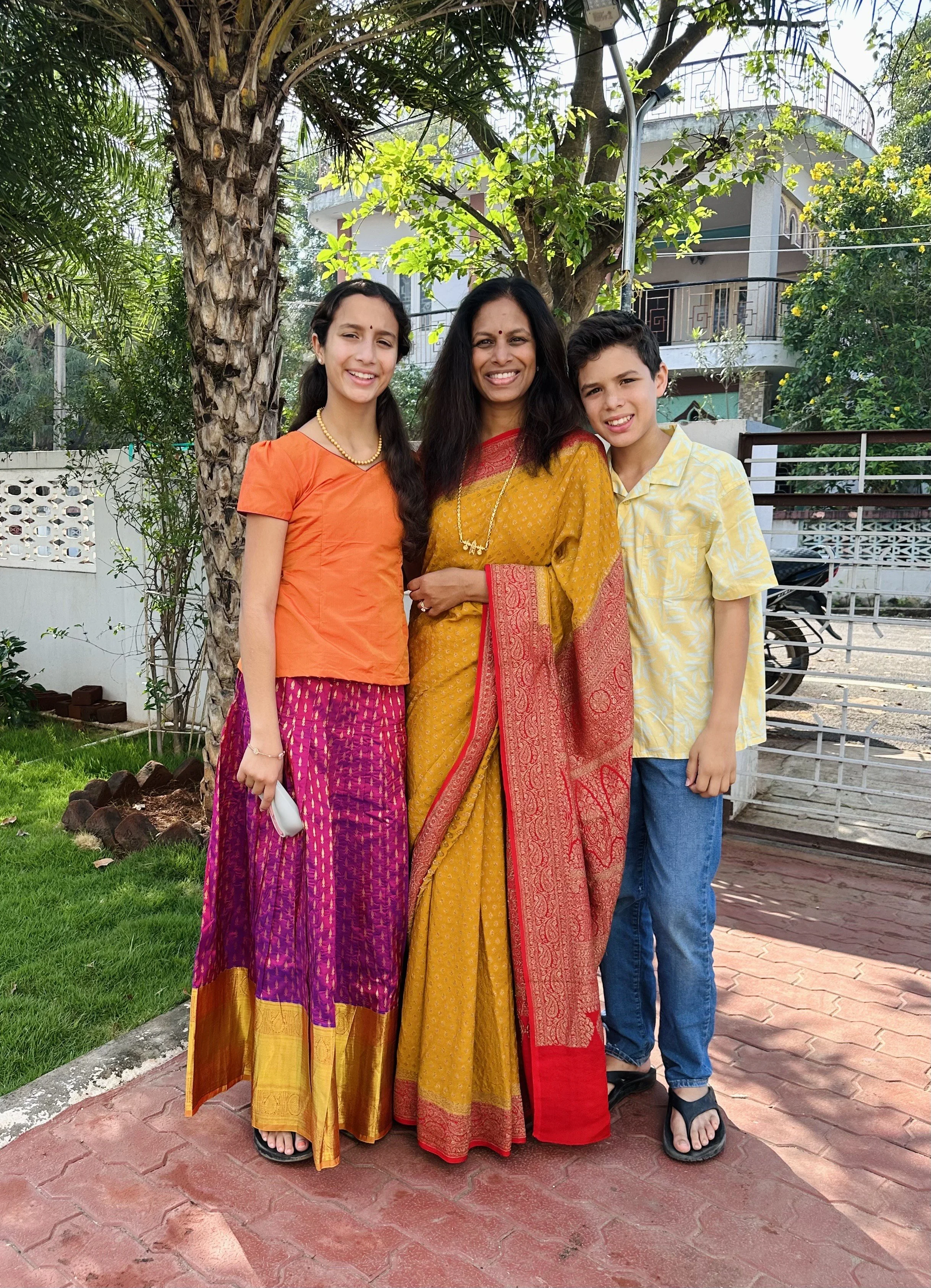
On January 1st, 2026, we left California and moved to India so I could build iVP Semi full-time. My husband stayed behind to focus on his work. The kids came with me. It’s been about two months, and I’ve already learned more about building a company, managing transitions, and myself than I expected to this early.
Here’s what I’ve figured out so far:
You can’t build remotely what requires trust in person.
I spent a year building iVP Semi from California. It worked, sort of. Things moved forward. But I was making decisions through other people’s read of the room. The difference since moving has been immediate. Decisions that used to take days over email now happen in ten minutes, standing in a hallway. Conversations are sharper. Clarity comes faster. There’s something about being physically present, reading the room yourself, catching the hesitation in someone’s voice, that you just can’t replicate on a screen.
If you’re building something early stage in a relationship-driven market and trying to do it remotely, I’d push you to really question whether that’s working as well as you think it is. I thought it was. It wasn’t.
Your support system isn’t a nice-to-have. It’s the infrastructure.
This move would not have been possible without my parents. My dad is the founder and CEO of iVP Semi, but honestly, my mom is the reason any of this works. She doesn’t just hold the family together; she works in the business too, and she spent weeks planning and coordinating so that when we landed, everything was ready. She handles so much of the daily logistics that I can actually be present at work instead of constantly managing schedules in my head. Most of what happens behind the scenes is her.
My aunt and uncle have been lifesavers, too. There was one day when we were all triple-booked, and my aunt had to pick up my son Jeevan in an auto rickshaw from tennis. What might sound like a simple errand was the biggest, most fun adventure for him. He
came home grinning.
If you’re considering a big move or transition, your plan is only as good as the people around you. Build the support system first, then make the leap. Not the other way around.
The kids will adapt faster than you.
My kids started at an American school with catered lunch from the Taj (which, yes, definitely helped sell the whole “moving to India” thing). They already had friends in the apartment complex from summers with their grandparents. Within weeks, they had a routine, a social life, and a comfort level that took me much longer to find.
I haven’t had the same experience. I’m used to doing everything myself, my own routines, my own space. Suddenly being in a place that wasn’t mine felt strange. Our chef went on holiday for Pongal, and I couldn’t even make toast. No toaster, couldn’t find the butter, didn’t know my way around my own kitchen. It made me realize I’d gotten so comfortable with the help that I’d lost basic competence. That bothered me more than the toast.
The lesson here is real: when you uproot your life, your kids will probably handle it better than you. Let that be reassuring, not threatening. Watch how they adapt and learn from it.
Temporary discomfort is the price of proximity.
I stay in a hotel every other week in Bangalore. The commute, the recycled air, the food. It’s not great. I’m thinking about renting an apartment, but I’m not ready. One life transition at a time.
I have the worst flight anxiety, so I’ve been taking the train. Wake up at 4 am, go straight from the station to the office, and run on barely any sleep. Somehow, that still feels better than flying. I’ll take exhaustion over turbulence any day.
The point is, none of this is comfortable. But the tradeoff is worth it. Being in the room where decisions happen, building relationships with customers face to face, walking the same hallways where we built Tessolve. You can’t put a price on that proximity. You can only decide whether the discomfort of getting there is something you’re willing to sit with.
The hardest part isn’t the startup.
My biggest struggle is missing Kevin. We talk almost every day, and not just about logistics. Normal stuff. What happened at work, something funny the kids said, whatever show we’re both watching. It keeps us grounded and reminds me why we’re
doing this.
If you’re considering a move like this with a partner, here’s what I’d say: protect the
ordinary conversations. The business talk will happen naturally. It’s the normal, everyday stuff that keeps the relationship from becoming just a logistics coordination exercise.
Some days are harder than others. But the good ones keep outweighing the hard ones.
As Tim Gunn says: Make it work. That’s what we’re doing.